
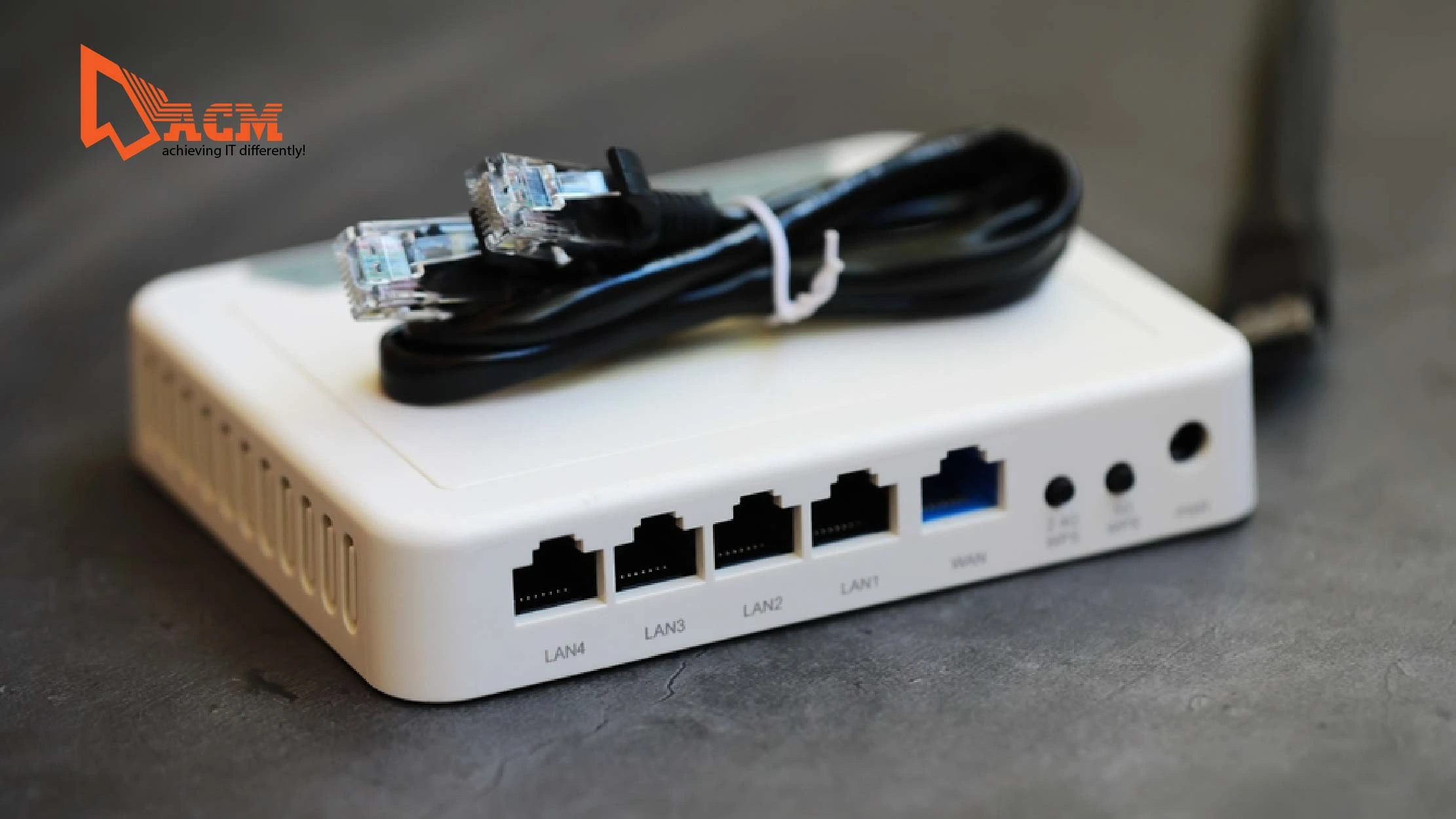
Wired vs Wireless Connections in 2026: Which Is Better for Your Business?
As technology continues to evolve in 2026, businesses have more connectivity options than ever before. With faster Wi-Fi standards, improved network security, and growing reliance on cloud-based applications, many organizations are asking the same question: Should we use wired or wireless connections?
The answer depends on your business needs. Both wired and wireless networks offer unique advantages, and understanding the differences can help you make the right choice.
What Is a Wired Connection?
A wired connection uses physical cables, typically Ethernet cables, to connect devices directly to a network.
Advantages of Wired Connections
1. Faster and More Consistent Speeds
Wired networks provide stable, high-speed connections with minimal fluctuations. This is especially important for businesses that rely on large file transfers, video editing, cloud computing, or data-intensive applications.
2. Lower Latency
Ethernet connections offer lower latency compared to wireless networks, making them ideal for real-time applications such as video conferencing, VoIP systems, and remote desktop access.
3. Enhanced Security
Because data travels through physical cables, wired networks are generally more difficult for unauthorized users to access, reducing certain cybersecurity risks.
4. Greater Reliability
Wired connections are less affected by environmental factors such as walls, interference from other devices, or network congestion.
Disadvantages of Wired Connections
• Installation can be costly and time-consuming.
• Less flexibility for mobile devices and changing office layouts.
• Additional cabling may create clutter if not managed properly.

What Is a Wireless Connection?
A wireless connection uses Wi-Fi technology to connect devices without physical cables.
Advantages of Wireless Connections
1. Mobility and Flexibility
Employees can work from anywhere within the network coverage area, supporting hybrid work environments and flexible office spaces.
2. Easy Scalability
Adding new devices to a wireless network is often faster and simpler than installing new Ethernet ports.
3. Reduced Cabling
Wireless networks help maintain a cleaner office environment with fewer cables and physical infrastructure requirements.
4. Improved Technology in 2026
Modern Wi-Fi standards deliver significantly faster speeds, better coverage, and stronger security than previous generations, making wireless networking more practical for many businesses.
Disadvantages of Wireless Connections
• Performance can vary based on distance and signal interference.
• More susceptible to unauthorized access if security settings are not properly configured.
• Network congestion may impact speed and reliability during peak usage.
Wired vs Wireless: A Quick Comparison
Wired Network
• Speed: Excellent
• Reliability: Excellent
• Security: High
• Mobility: Limited
• Installation Cost: Higher
• Scalability: Moderate
• Latency: Very Low
Wireless Network
• Speed: Very Good to Excellent
• Reliability: Good
• Security: High (with proper configuration)
• Mobility: Excellent
• Installation Cost: Lower
• Scalability: Easy
• Latency: Low
Which Option Is Best for Businesses in 2026?
For most organizations, the best solution is not choosing one over the other—it is implementing a hybrid network strategy.
Consider using:
• Wired connections for servers, workstations handling critical tasks, conference room systems, and security infrastructure.
• Wireless connections for laptops, mobile devices, guest networks, and collaborative workspaces.
This approach combines the reliability and performance of wired networking with the flexibility and convenience of wireless connectivity.
How IT Support Can Help

Choosing the right network setup requires careful planning. Professional IT support providers can help businesses:
• Assess network performance requirements.
• Design secure wired and wireless infrastructures.
• Optimize Wi-Fi coverage and eliminate dead zones.
• Implement network security best practices.
• Monitor network health and troubleshoot connectivity issues.
• Scale network resources as the business grows.
Conclusion
In 2026, both wired and wireless connections play an important role in modern business operations. Wired networks continue to offer unmatched reliability, speed, and security, while wireless technology provides the flexibility and mobility today's workforce demands.
By understanding the strengths of each option and working with experienced IT professionals, businesses can build a network infrastructure that supports productivity, security, and future growth, build a reliable IT foundation for long-term success.


