
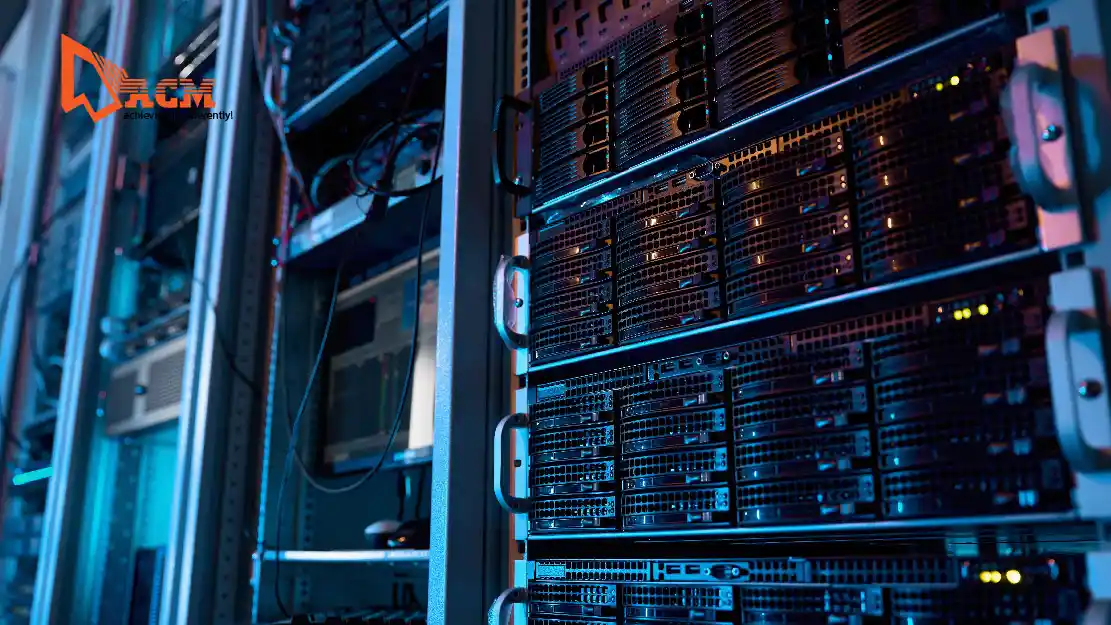
The Importance of Proper Server Maintenance for Businesses
Servers are one of the most important components of a business IT environment. They store critical data, support business applications, manage internal systems, and enable communication between employees and departments. Despite their importance, many SMEs overlook regular server maintenance until serious problems occur.
Poorly maintained servers can lead to system instability, slow performance, data loss, and unexpected downtime. In some cases, server failures can completely disrupt business operations.
Proper server maintenance ensures systems remain stable, secure, and efficient. It also helps businesses avoid costly disruptions and extend the lifespan of critical IT infrastructure.
Why Servers Are Critical to Business Operations
Business servers handle essential functions such as:
• File storage and sharing
• User authentication
• Application hosting
• Database management
• Email services
• Backup management
If servers fail, multiple departments may be unable to operate.
Common Causes of Server Failure
Server issues often develop gradually. Common causes include:
• Overheating
• Hardware wear and tear
• Storage failure
• Outdated software
• Security vulnerabilities
• Power disruptions
Without maintenance, these issues may go unnoticed until systems fail.
The Role of Preventive Server Maintenance
Preventive maintenance helps identify risks early and ensures optimal server performance.
Key maintenance activities include:
• Monitoring server health
• Updating firmware and software
• Checking storage usage
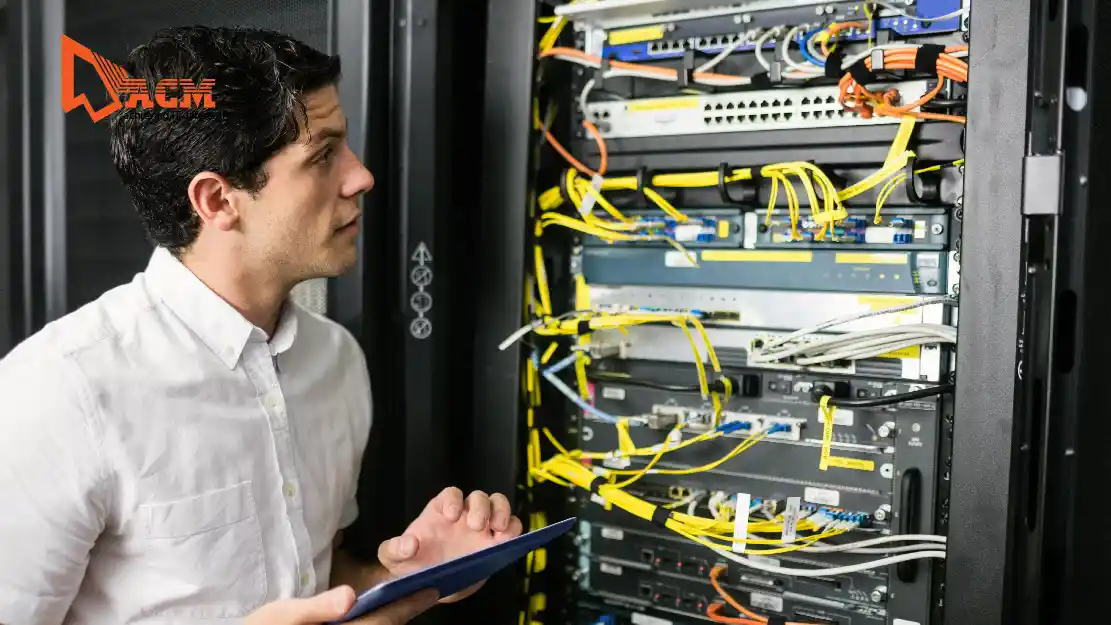
• Inspecting hardware components
• Verifying backup systems
Regular maintenance reduces the likelihood of unexpected failures.
Improving Server Performance
Over time, servers may become slower due to increased workloads, outdated configurations, or storage limitations.
Maintenance improves performance by:
• Optimising system resources
• Removing unnecessary processes
• Updating operating systems
• Monitoring usage trends
Efficient servers support smoother business operations.
Strengthening Server Security
Servers often store sensitive business and customer data. Weak server security creates significant risks.
Maintenance strengthens security through:
• Security patch management
• Access control reviews
• Firewall updates
• Threat monitoring
Protecting servers is essential for preventing data breaches.
Preventing Data Loss
Server failures can result in permanent data loss if proper safeguards are not in place.
Maintenance ensures:
• Backup systems function correctly
• Recovery processes are tested
• Storage systems remain stable
Reliable backups protect critical business information.

Reducing Downtime and Operational Disruption
Unexpected server downtime affects:
• Productivity
• Customer service
• Communication
• Revenue generation
Preventive maintenance minimises downtime by detecting issues before failure occurs.
Extending Hardware Lifespan
Servers represent a major investment for SMEs. Proper maintenance extends equipment lifespan and reduces replacement frequency.
Routine inspections help:
• Detect failing components early
• Prevent overheating damage
• Maintain optimal performance
This improves return on investment.
Conclusion
Proper server maintenance is essential for maintaining stable, secure, and efficient business operations. By proactively monitoring and maintaining servers, SMEs can reduce downtime, improve security, and protect valuable business data.
Investing in preventive server maintenance helps businesses avoid costly disruptions and build a reliable IT foundation for long-term success.


