

Why Structured Cabling Matters for Every Modern Office
In today’s fast-paced business environment, reliable connectivity is no longer optional — it’s the backbone of every operation. From your internet speed to your CCTV performance, from Wi-Fi stability to smooth teleconferencing, everything depends on one foundation:
Your structured cabling system.
Unfortunately, many SMEs underestimate how important proper cabling is. Poor cable planning often leads to slow connections, unstable networks, device failures, and costly troubleshooting. This blog explains why structured cabling matters and how investing in the right setup can benefit your office long-term.
1. What Is Structured Cabling?
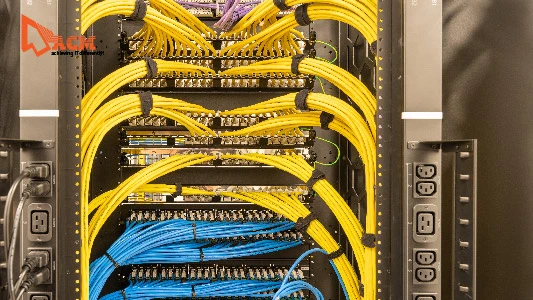
Structured cabling is an organized, standardized system of network cables, patch panels, distribution racks, and ports that connect IT equipment throughout the office.
A proper system includes:
• LAN cables for workstations
• Server rack cabling
• Patch panels & labeling
• Telephone and intercom lines
• CCTV and IoT device cabling
• Wi-Fi access point cabling
The goal is to create a neat, scalable, and easily maintainable infrastructure.
2. Why Bad Cabling Causes Big Problems
When cables are messy, unplanned, or installed incorrectly, your office can experience:
A. Slow or Unstable Internet
Loose connections, poor-quality cables, and overloaded ports directly affect speed.
B. Downtime During Troubleshooting
Messy racks make it difficult to identify or replace faulty connections.
C. Higher Maintenance Costs
Technicians spend extra time tracing cables, leading to longer support time and higher fees.
D. Device & System Failures
CCTV cameras, Wi-Fi access points, and printers often fail due to improper cabling.
E. Fire & Safety Risks
Overloaded cables or tangled bundles can overheat or become hazards.

3. Benefits of a Proper Structured Cabling Setup
A. Faster Network Performance
High-quality cabling (Cat6 or Cat6A) ensures stable connections with better bandwidth.
B. Easier Troubleshooting
Labelled and organized racks help IT teams identify issues within minutes.
C. Scalability
As your company grows, you can add new workstations and devices without rewiring everything.
D. Better Office Aesthetics
Neat trunking, concealed cabling, and tidy server racks create a professional environment.
E. Long-Term Cost Savings
A well-designed cabling system reduces failures, downtime, and maintenance expenses.
4. What a Professional Cabling Service Includes
A proper structured cabling project should include:
• Site survey to assess layout and requirements
• Cable trunking & routing planning
• Rack installation & cable dressing
• Patch panel setup
• Port testing and labelling
• Wi-Fi, CCTV & device connectivity testing
• Documentation for future maintenance
At
A-ChieveMent Solution (S) Pte Ltd
, we follow strict cabling standards to ensure performance, safety, and long-term reliability.
5. Common Cabling Mistakes SMEs Should Avoid
• Using cheap or mixed cable types
• Letting non-IT vendors handle networking
• Running cables without trunking
• Overloading a server rack
• Having multiple unmanaged switches
• Zero documentation or labels
• Leaving old or unused cables inside the rack
Each mistake increases the chances of downtime and unnecessary IT costs.
6. How ACM Helps You Build a Strong Cabling Foundation
We provide end-to-end structured cabling services, including:
• Professional rack cleanup
• New office cable installation
• Cable replacement or upgrades (Cat6/Cat6A)
• CCTV cabling
• Wi-Fi access point cabling
• Labeling and documentation
• Server rack reorganization
• Removal of unused cables and components
Our team ensures your office operates on a stable, clean, and scalable network infrastructure.
Conclusion
Your office network is only as strong as the cables behind it. By investing in structured cabling, you create a more efficient, reliable, and scalable environment for your business operations.
A clean and well-designed cabling system doesn’t just look good — it keeps your business running smoothly.


