
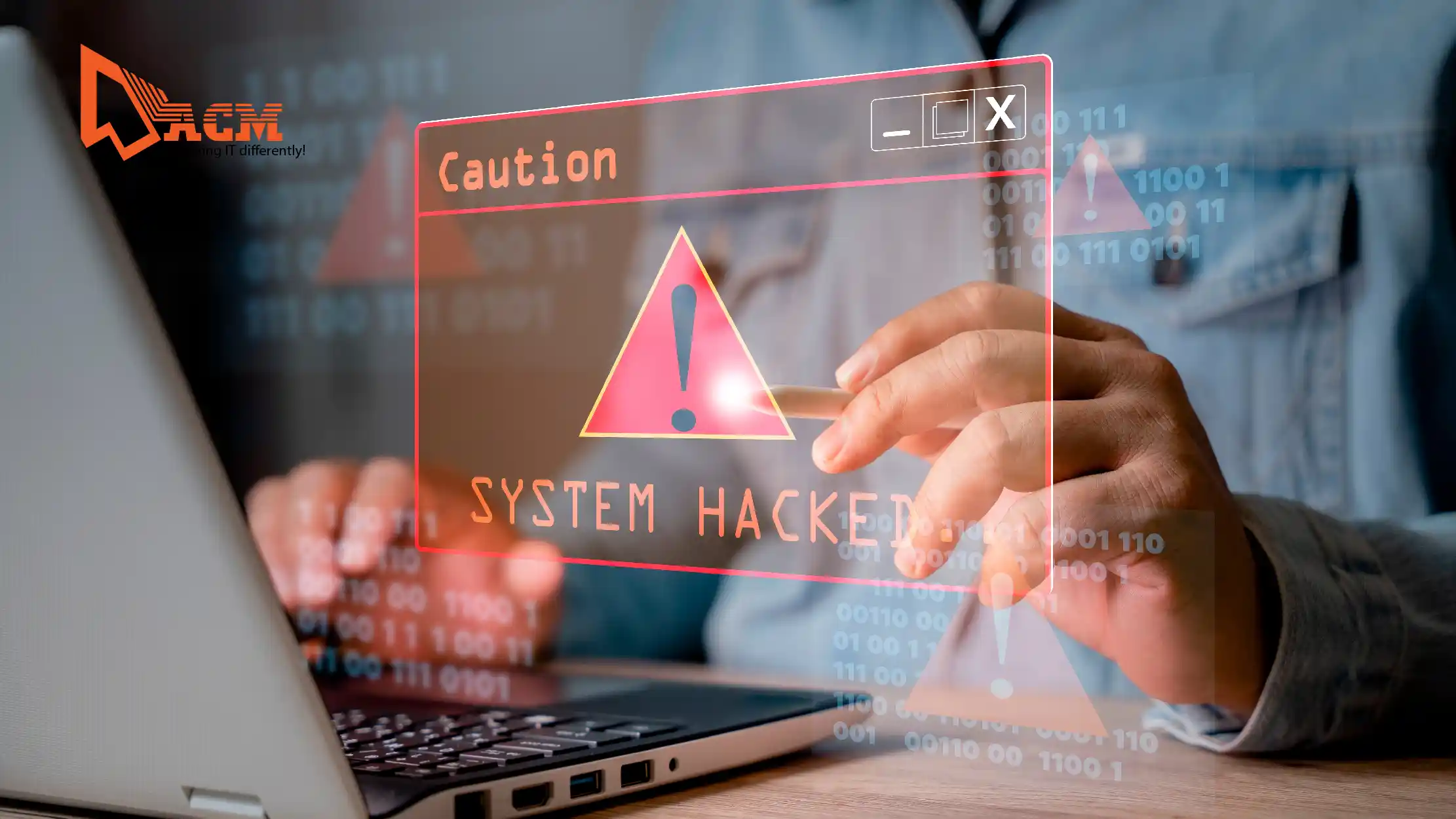
Why SMEs Should Stop Using Break-Fix IT Support
Many small and medium-sized enterprises (SMEs) still rely on a “break-fix” approach to IT support. This means businesses only contact IT support providers when something goes wrong. While this may seem like a cost-saving strategy, it often creates larger operational and financial problems over time.
In today’s technology-driven business environment, waiting for systems to fail before taking action is a risky approach. Businesses rely heavily on stable networks, secure systems, and reliable devices to maintain daily operations. A reactive IT strategy increases downtime, disrupts productivity, and exposes organisations to unnecessary risks.
Modern SMEs require proactive IT management that focuses on prevention rather than emergency repairs. Understanding the limitations of break-fix support helps businesses make smarter long-term IT decisions.
What Is Break-Fix IT Support?
Break-fix IT support is a reactive service model where technical support is only provided after an issue occurs.
Common examples include:
• Calling technicians after a server crashes
• Requesting support when email systems stop working
• Reduced productivity
• Replacing hardware only after failure
• Addressing security issues after an incident occurs
This approach focuses on repairing problems rather than preventing them.
The Hidden Costs of Reactive IT Management
Many SMEs choose break-fix support because it appears cheaper initially. However, the hidden costs can be significant.
Downtime and Productivity Loss
When systems fail unexpectedly, employees cannot work efficiently. Delays in resolving issues reduce productivity and disrupt operations.
Emergency Repair Costs
Urgent support requests often cost more than planned maintenance services. Emergency hardware replacements and after-hours support can quickly become expensive.
Operational Disruption
Unexpected IT failures affect customer service, internal communication, and workflow efficiency.
Higher Long-Term Expenses
Repeated repairs, recurring issues, and system instability often lead to greater long-term costs than proactive management.
Why Preventive IT Support Is More Effective
Preventive IT support focuses on maintaining systems before problems occur.
This includes:
• Continuous monitoring
• Preventive maintenance
• Security updates
• Performance optimisation
• Early issue detection
Instead of waiting for failures, businesses reduce risks proactively.

Reducing Downtime Through Proactive Maintenance
Downtime is one of the biggest operational threats to SMEs. Preventive support reduces downtime by identifying warning signs early.
Examples include:
• Detecting failing hard drives
• Monitoring server performance
• Identifying unusual network activity
• Preventing storage overload
Addressing issues early prevents larger disruptions.
Improving Cybersecurity Protection
Reactive IT management often leaves systems vulnerable because updates and security monitoring are inconsistent.
Proactive support strengthens cybersecurity through:
• Regular patch management
• Firewall monitoring
• Antivirus management
• Security assessments
• Threat detection
This reduces exposure to ransomware, malware, and unauthorised access.
Better Budget Planning and Cost Predictability
Break-fix support creates unpredictable IT expenses because businesses only spend when emergencies occur.
Proactive support provides:
• Predictable maintenance costs
• Planned upgrade schedules
• Reduced emergency expenses
• Better financial visibility
This improves budgeting and cost control.
Supporting Business Growth
As SMEs grow, IT systems become more complex. A reactive approach struggles to support expansion effectively.
Proactive IT support helps businesses:
• Scale systems efficiently
• Plan infrastructure upgrades
• Maintain stable performance
• Customer trust may decline
• Support increased workloads
Reliable systems support sustainable growth.

Improving Employee Productivity
Employees rely on technology to complete daily tasks. Frequent IT issues reduce morale and efficiency.
Stable systems allow employees to:
• Work without interruptions
• Access systems reliably
• Communicate effectively
• Focus on business priorities
Reliable IT directly improves workplace productivity.
Building Long-Term Business Stability
Technology stability is essential for long-term success. Businesses that continuously react to problems often struggle with recurring disruptions.
Preventive support creates:
• Greater operational stability
• Improved system reliability
• Better security posture
• Stronger business continuity
Stable systems create a stronger foundation for growth.
Conclusion
The break-fix approach to IT support is no longer suitable for modern SMEs that depend heavily on technology. While reactive support may seem cheaper initially, it often results in higher long-term costs, operational disruption, and increased security risks.
Proactive IT support provides better stability, stronger security, reduced downtime, and predictable costs. By shifting from reactive repairs to preventive management, SMEs can improve productivity, protect operations, and support sustainable growth.


