
The benefits of IT Asset Management for SMEs
For many small and medium-sized enterprises (SMEs), IT spending can feel unpredictable. Devices are purchased when needed, software licenses are renewed without review, and equipment is replaced only after failure. Over time, this reactive approach leads to unnecessary expenses and poor budget control.
IT Asset Management (ITAM) provides a structured way for businesses to track, manage, and optimise their IT resources. By having clear visibility over all hardware and software assets, SMEs can make better financial decisions and reduce unnecessary spending.
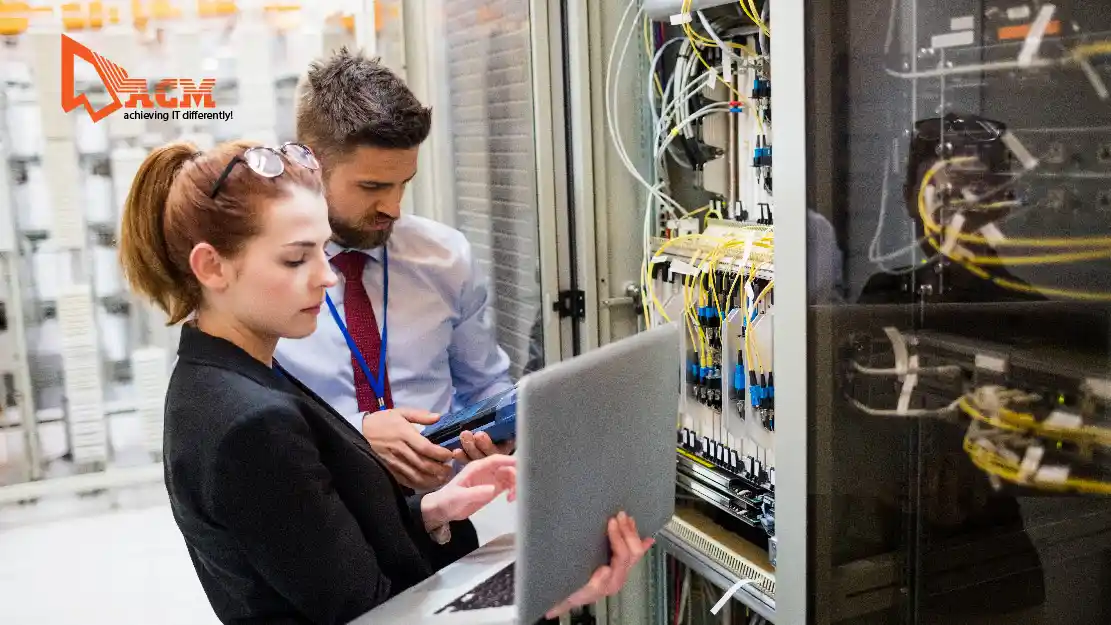
One of the key benefits of IT asset management is cost control. Many businesses unknowingly pay for unused software licenses or duplicate equipment. Without proper tracking, it is easy to overspend. ITAM allows businesses to identify underutilised resources and eliminate waste.
Another major advantage is lifecycle planning. IT assets have a lifespan, and replacing them only after failure often leads to emergency purchases, which are more expensive. With proper tracking, businesses can plan upgrades in advance and spread costs over time.
IT asset management also helps reduce maintenance costs. When assets are properly monitored, issues can be identified early, preventing major breakdowns and costly repairs. This extends the lifespan of equipment and improves return on investment.
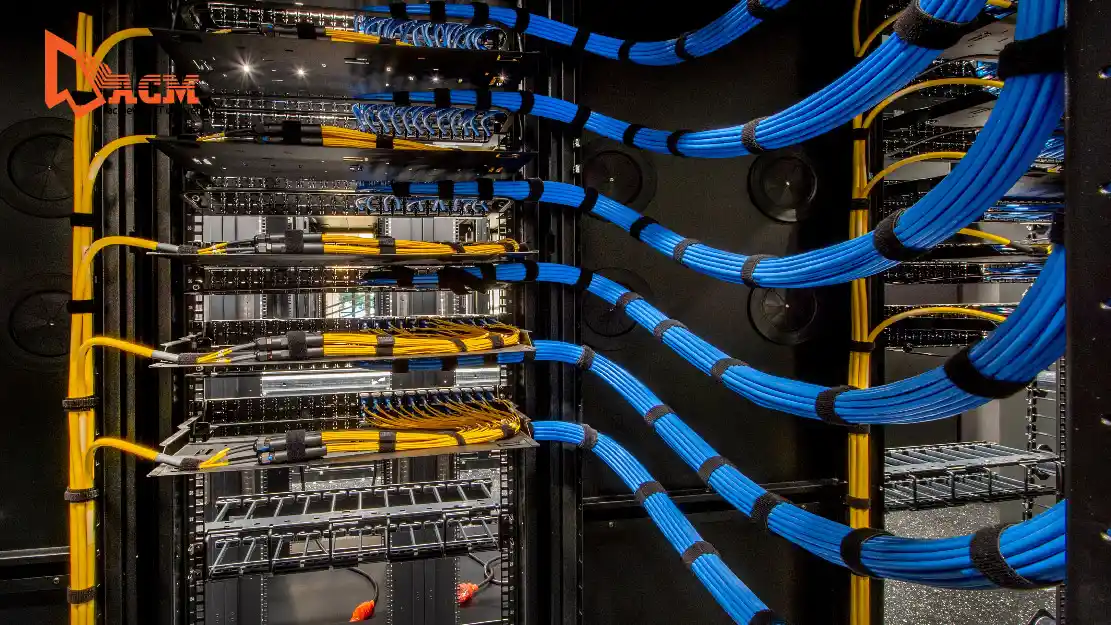
In addition, ITAM supports better budgeting. With accurate data on asset usage, condition, and replacement timelines, businesses can forecast IT expenses more effectively. This removes uncertainty and allows for more strategic financial planning.
Ultimately, IT asset management transforms IT spending from reactive and unpredictable into controlled and optimised. It ensures businesses get the most value from their technology investments.
Conclusion
IT Asset Management is essential for SMEs looking to control IT costs, reduce waste, and improve budgeting. By tracking and optimising IT resources, businesses can make smarter financial decisions and achieve better long-term efficiency.


